
Conformal Coatings Overview
SCS Conformal Coatings
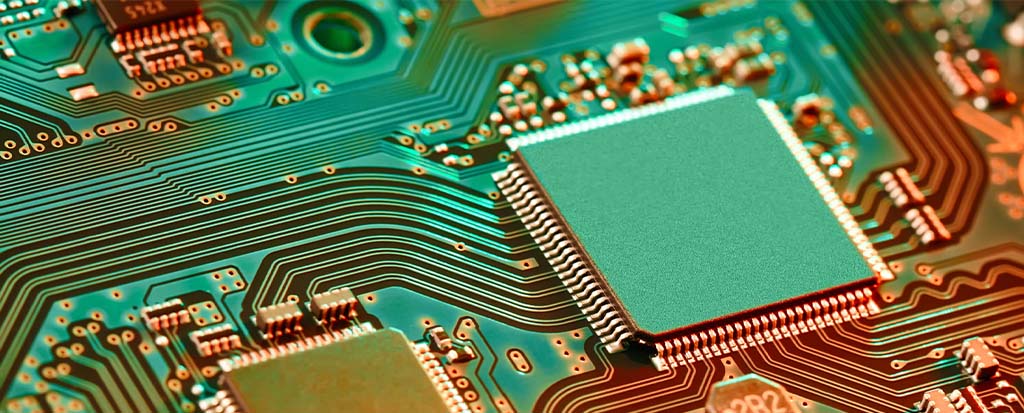
Conformal coatings are thin films that protect critical components from environmental damage such as contamination, salt spray, moisture, fungus, dust and corrosion. Because they are both nonconductive and dielectric, conformal coatings are often used in electronics, especially printed circuit boards (PCBs).
First developed for military and aerospace applications, conformal coatings have expanded into medical devices, consumer electronics, transportation electronics and more over the last five decades. Advances in coating materials and application processes continue to expand the range of products that can benefit from conformal coatings.
What are the Benefits of Conformal Coatings?
Conformal coatings provide several benefits, including:
- Electrical insulation: Due to their high dielectric strengths and low dielectric constants, conformal coatings provide excellent dielectric insulation properties. These properties help prevent arcing and electric failure, especially as today’s electronics increase in functionality and decrease in size.
- Barrier protection: Conformal coatings provide superior protection from the damaging effects of moisture, fluids, solvents and chemicals.
- Lightweight: While coating thickness varies by type, conformal coatings are generally applied in thin layers, ranging from microns to mils. Nanocoatings are even thinner, often measuring in nanometer thicknesses. Conformal coatings often weigh significantly less than alternative protective solutions such as mechanical seals and enclosures.
- Prolonged device service life: By helping prevent premature failures, conformal coatings improve reliability and extend device service life, reducing costs associated with warranty claims and repairs.
What are the Top Types of Conformal Coatings?
There are several types of conformal coatings, each with its own set of unique properties and characteristics.
Parylene Coatings
Parylene is a polymer derived from the unique chemical compound paraxylene. It forms an ultra-thin, pinhole-free coating and provides excellent chemical and moisture protection. Parylene also has superior thermal stability and dielectric properties, making it a top choice for highly-sensitive electronics and components.
Plasma Coatings (PECVD)
Plasma enhanced chemical vapor deposition (PECVD) coatings are ultra-thin, lightweight coatings deposited as an ionized gas to create uniform films on a variety of substrates. Because of their unique application and comprehensive coverage, PECVD coatings are ideal for waterproofing small components.
Acrylic Coatings
Acrylic conformal coatings provide superior humidity and fungus resistance. They are also commonly used for covering heat-sensitive surfaces because they generate minimal heat during the curing process.
Epoxy Coatings
Epoxy conformal coatings provide excellent moisture resistance and dielectric barrier properties. Their rigidity and durability make them highly resistant to abrasion.
Silicone Coatings
Silicone conformal coatings are often used in automotive settings and other harsh environments because they can be applied at greater thicknesses, withstand a wide range of temperatures and have vibration-dampening properties.
Polyurethane Coatings
Polyurethane coatings provide excellent humidity and chemical resistance and maintain strong dielectric properties for long-term protection. They are available as single component, two component, UV curable and water borne systems.
Ultra-thin Coatings
Ultra-thin coatings, also known as nanocoatings, are typically less than 12.5 μm thick and are available in a variety of chemistries and application methods where minimal coating thickness is required.
Styrene Rubber Co-polymer Coatings
Styrene rubber co-polymer conformal coatings provide good moisture protection and are commonly used in applications where environmental protection is required.
ALD Coatings
Atomic Layer Deposition (ALD) coatings are not applied but rather grown, atomic layer by atomic layer, onto surfaces. ALD coatings provide protection against oxidation, moisture and degradation.
Multilayer Coatings
Multilayer coatings are created by layering different thin films to create a customized solution for specific application requirements. The layered construction combines the strengths of each coating to enhance overall protection and performance.
What are the Differences Between Conformal Coating Types?
| Coating type | Top uses | How it’s applied |
| Parylenes | Electronics PCBs Medical devices LED lighting Aerospace, defense and drone components Elastomers | Chemical vapor deposition (CVD) |
| Plasma polymerized (PECVD) | Consumer electronics Medical devices Wearables | Plasma enhanced chemical vapor deposition (PECVD) |
| Acrylics | Electronics PCBs Applications requiring rework | Brush, spray, dip |
| Epoxies | Industrial components Underwater devices Aerospace components | Brush, spray, dip |
| Silicones | Automotive under-hood electronics LED lighting Industrial components Underwater devices | Brush, spray, dip |
| Polyurethanes | Electronics PCBs | Brush, spray, dip |
| Ultra-thin | Consumer electronics Wearables Sensors PCBs | Spray, dip or vapor deposition |
| Styrene rubber co-polymer | Electronics PCBs | Brush, spray, dip |
| ALD | Semiconductors & microelectronics | Atomic chemical vapor deposition |
| Multilayer | Semiconductors & microelectronics Medical devices Electronics requiring enhanced barrier protection | Alternating layers of coatings, using various application methods |
What are the Top Industries that Use Conformal Coatings?
Electronics
Electronic components like PCBs, LEDs, sensors, batteries and digital displays often employ conformal coatings for water resistance, corrosion protection and dielectric properties.
Medical devices
Biocompatible and biostable conformal coatings help protect critical medical devices and components, including elastomers, stents, medical electronics and surgical tools, against moisture, chemicals and harsh operating environments.
Automotive
The automotive and transportation industry relies heavily on conformal coatings to protect electrical systems and components, gaskets and seals, sensors and more.
Aerospace and defense
The aerospace and defense industries were the original applications for conformal coatings because they are lightweight, making them ideal for weight-sensitive aircraft components, and provide protection against moisture, fumes, dust and other hazards of harsh environments.
Frequently Asked Questions About Conformal Coatings
Are conformal coatings waterproof?
Some conformal coatings can support waterproof electronics by helping protect against moisture ingress in applications designed to meet IPX7 or IPX8 requirements. To discuss which conformal coating provides the right level of water-resistance or waterproofing for your project, reach out to an SCS expert for a consultation.
How do I choose the right conformal coating for my project?
To select the right conformal coating for your project, consider:
- The intended use of the application you’re coating
- The temperature ranges your application will be exposed to
- The environmental challenges the application will face
- What coating properties your application requires (e.g., moisture resistance, thermal stability, lubricity, etc.)
- Whether you anticipate the need for any rework or repair to the coatings
- How involved the coating application process is
Consult with an SCS expert to evaluate your application requirements and select the best coating for your project.
Are there safety precautions or concerns about using conformal coatings?
Yes, safety considerations vary depending on the conformal coating technology and application process. Following the manufacturer’s safety guidance, including handling, ventilation and PPE recommendations, is essential for safe use. Manufacturers that outsource coating application can eliminate the need to handle and apply coating materials in-house. Consult with an SCS expert to discuss SCS coating services.
What are the most effective conformal coating removal techniques?
The most effective technique depends on what type of coating being removed. Conformal coatings may be removed with chemical solvents, but for substrates that are sensitive to chemicals, mechanical abrasion (manual scraping or blasting) is often preferable. Thermal techniques, such as hot air guns or infrared, may also be to soften conformal coatings for removal while helping protect the underlying surface. Learn more about these techniques.
What are the industry standards for conformal coatings?
IPC-CC-830C is the primary material qualification standard for conformal coatings is. It establishes qualification requirements for materials and evaluates key characteristics such as application, performance, shelf life and material properties. Learn more about conformal coating standards, or see a full list of SCS’s certifications.
How to Get Started
- Plan ahead and contact SCS early in the development process device to ensure your application is optimized for Parylene coating.
- Whether it’s your first Parylene application or you work with it regularly, SCS engineers will provide the technical guidance need to make informed decisions about your project.

A global network of coating centers ready for your application.
Specialty Coating Systems offers customers regionally-located coating facilities to handle their engineering and production requirements. To discuss the benefits and properties of conformal coatings and your protection needs with an applications specialist, contact us online or call +1.317.244.1200.